Every Wireless Guitar System, Tested So You Don't Have To
Cheap wireless, boutique wireless, and everything between — I ran the popular guitar systems head-to-head on tone, latency, range and reliability. The price-vs-performance winner surprised me.
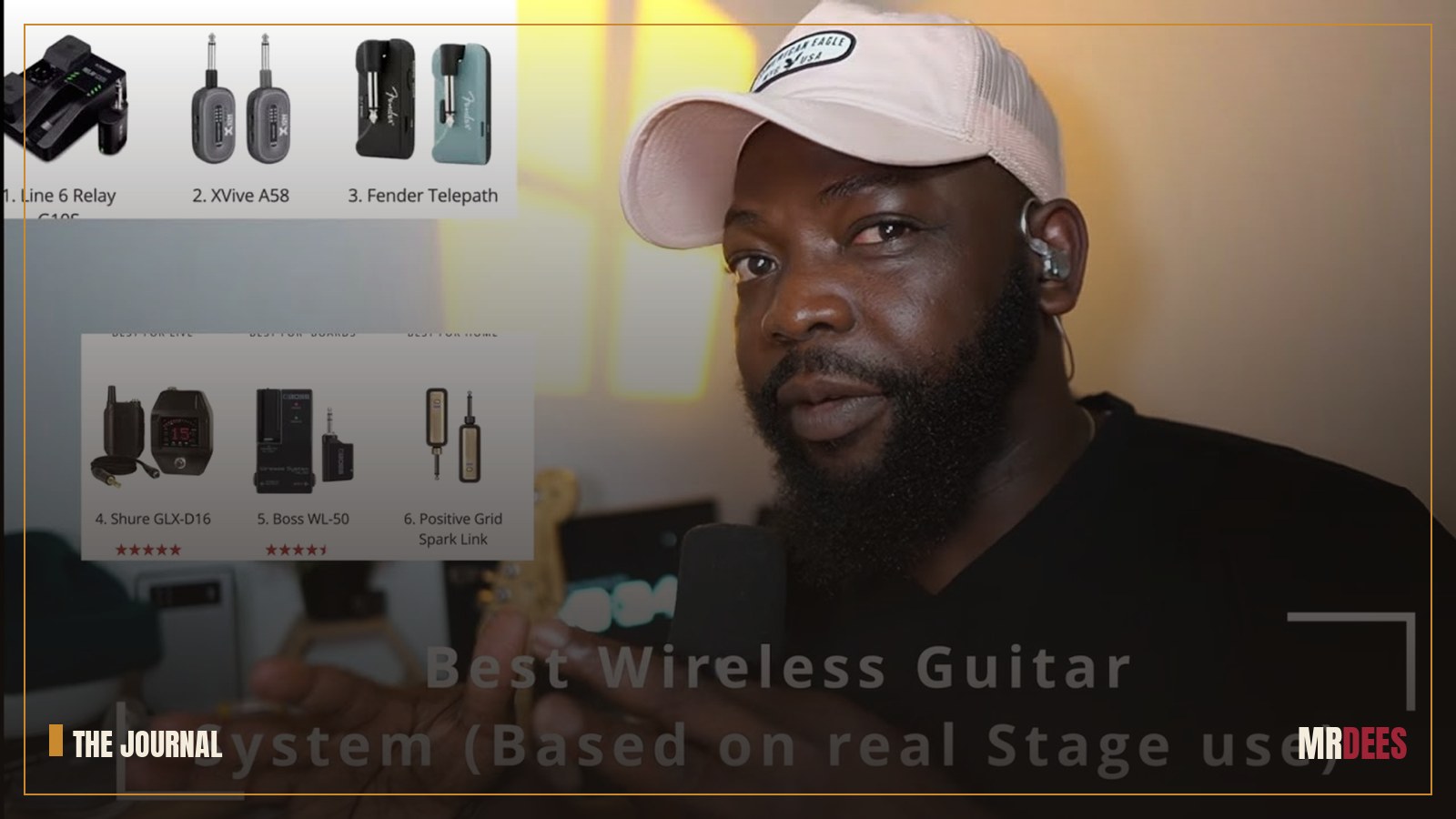
Going wireless should make your playing better — no cable to trip on, freedom to move, a cleaner stage. But do it wrong and you add latency, tone-suck and dropouts right where it hurts: mid-song, mid-gig.
So I bought and tested the popular systems so you don't have to find out the hard way. I judged them the way they actually get used on stage: tone transparency, latency, range, battery and reliability — not spec-sheet promises.
What actually matters in a wireless system
- Tone transparency — can you hear a difference vs a good cable? You shouldn't.
- Latency — anything you can feel is a dealbreaker for tight playing.
- Range & dropouts — does it hold up across a real stage, through bodies and gear?
- Battery + charging — gig-length life and how fast it tops up.
- Price vs performance — where the real surprises live.
The systems I tested
(Affiliate links — no extra cost to you, they support the channel.)
The surprise: the most expensive system didn't win on value. One budget unit got shockingly close to the pro option on tone and reliability — the full ranking and the "don't waste your money" pick are in the video.
A note for the recording crowd
Wireless isn't just for the stage. I use it when tracking too — it keeps me moving and keeps the signal clean. When those takes hit the computer, a pass of DEES TAPE adds the warmth and glue that a clinical wireless signal can lack, so the performance sounds like a record, not a line check.
Watch the full head-to-head
Buy once, buy right. The best wireless is the one you forget you're even using.