Does a $75 Pedal Beat the Helix? (GP5 Blind Test)
I put the $75 Valeton GP5 head-to-head with a $2,500 Line 6 Helix rig in a blind test — loaded with NAM captures. The result makes you question what you're really paying for.
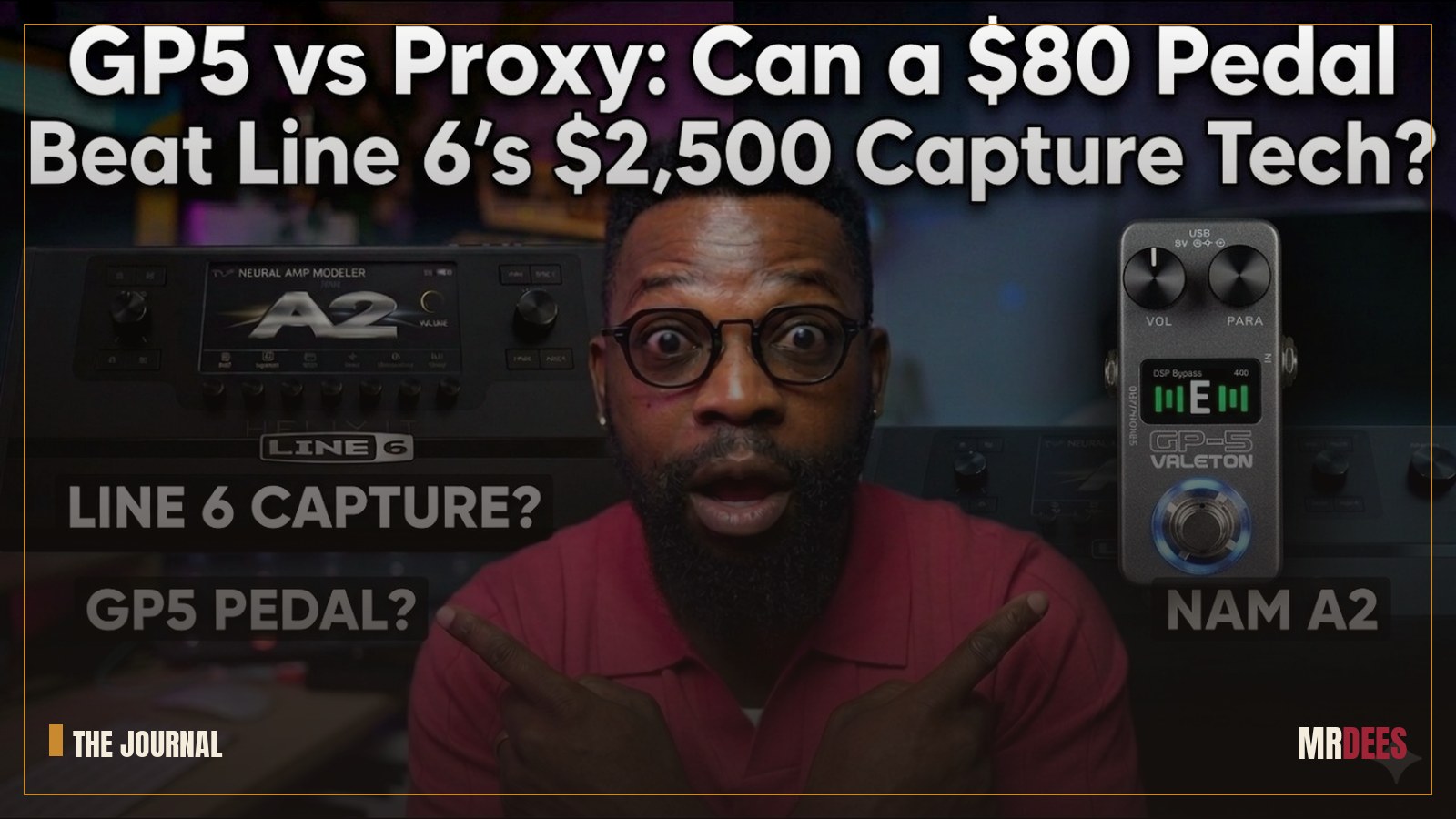
Can a $75 pedal really compete with a $2,500 pro rig? That's the question I set out to answer — honestly, with a blind test — pitting the Valeton GP5 against the Line 6 Helix. And thanks to NAM (Neural Amp Modeler) captures running on the little GP5, the gap is a lot smaller than the price tags suggest.
The setup: same captures, blind listening, $75 vs $2,500. If you're a bedroom producer hunting the best budget tone, this one's for you.
Why this is even possible now
The GP5 can load NAM captures. That's the whole story — the expensive magic of amp modeling used to live behind a $1,500+ wall, and now a free, open capture format puts studio-grade tones on an $80 box. Workflow, portability, results — suddenly the budget option is a real contender, not a toy.
The blind test
I recorded both, loaded comparable NAM captures, and did a proper blind listen before any reveal. The honest question in a mix: could you actually tell which was the $75 pedal and which was the $2,500 rig? The reveal surprised people — and it should make you rethink how much "pro tone" really costs in 2026.
The nuance: the Helix still wins on routing, I/O, build, and deep features — that's what you pay for at the top end. But on raw tone in a mix? The budget box holds its own far more than brand loyalty wants to admit.
🎁 Free NAM capture pack (GP5 & Helix): grab it on Gumroad 🎸 Valeton GP5: on Amazon (affiliate — supports the channel)
Make the cheap box sound expensive
Put the money you saved into the finish. I run budget-modeler tones through a little Neo TUBE for tube harmonics and CLEAN Air for sheen — the two moves that most often separate a "budget" tone from a "record" tone.
Watch the blind test
Is brand loyalty holding your tone back? Do the blind test on yourself — your ears don't read price tags.