NAM A2 vs Helix Proxy — The Free One Wins
I've been a Helix fan for years. But a free, open-source capture format running on a $3 chip just beat Helix Proxy in a blind test of 1,000+ people. Here's the uncomfortable truth.
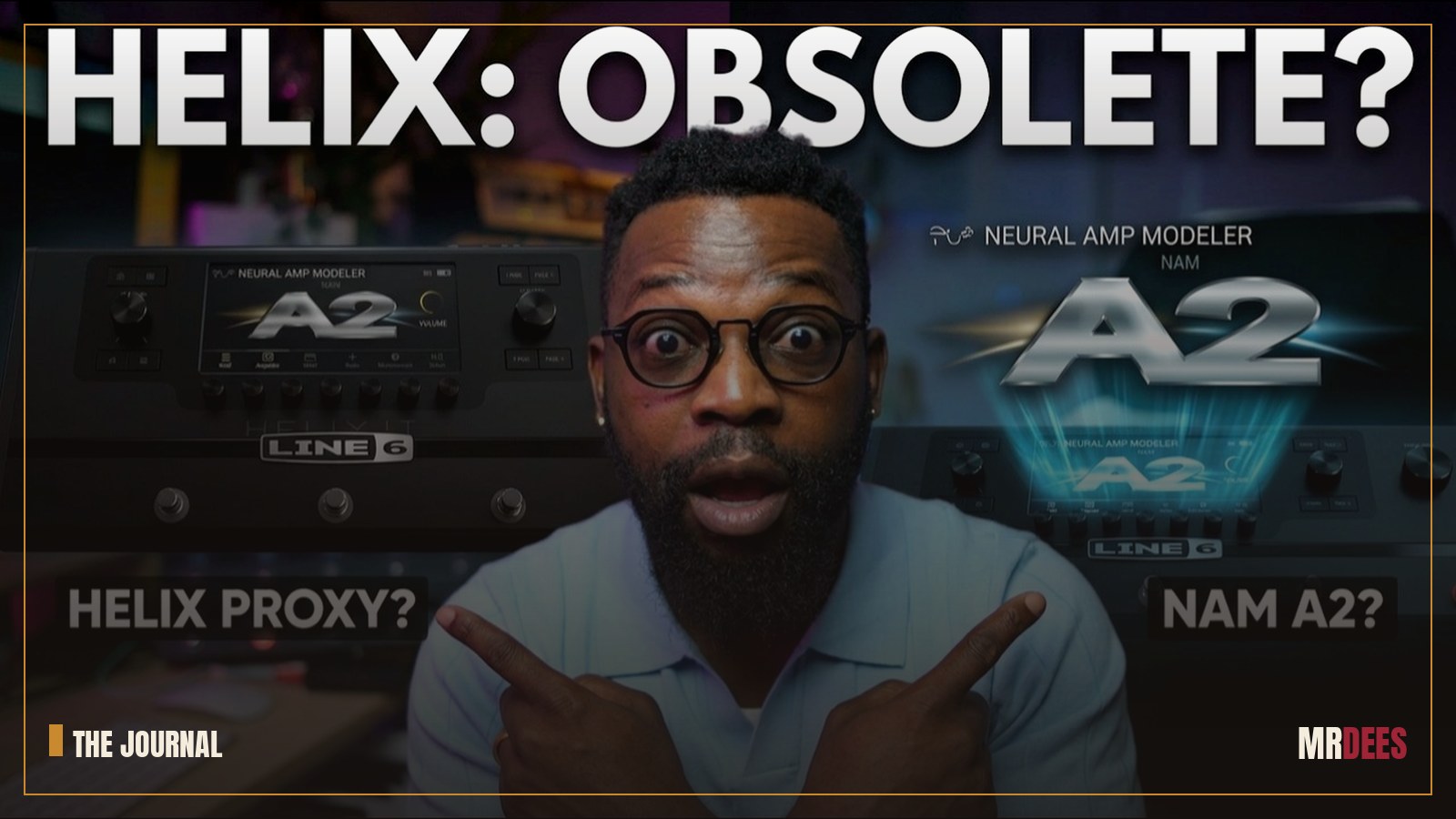
Let me say it up front: I've been a Helix fan for years. So this isn't a hater's video — it's a wake-up call. NAM A2 just exposed Helix Proxy for what it is: pricier, internet-dependent, and honestly a step behind on tone. When free, open-source tech beats the paid option, we should talk about it.
The headline: in a blind test of 1,000+ participants, NAM A2 scored 100, Helix Proxy scored 77 — and NAM A2 runs offline, on a $3 chip.
The numbers don't lie
| NAM A2 | Helix Proxy | |
|---|---|---|
| Price | $0 | $1,500+ (needs Helix) |
| Internet required | ❌ No | ✅ Yes |
| Open source | ✅ Yes | ❌ No |
| Blind-test score | 100 / 100 | 77 / 100 |
| Runs on | Any device, $3 chip | Helix only |
| Tone character | Warm, finished | Bright, less polished |
The $3 chip fact
This is the part that should make Line 6 nervous. NAM A2 runs on an ARM Cortex-M7 chip that costs about $3. Helix Stadium costs $1,500+. One is open and runs anywhere; the other is locked in a proprietary box that needs an internet connection to do what a free standard already does better.
What I actually heard
- NAM A2: warmer, fuller, more finished — closer to a studio tone straight out of the box.
- Helix Proxy: brighter, more presence. Still usable — but not in the same league on a blind listen.
To be fair: Helix Proxy isn't terrible. But next to a free alternative that sounds better and works offline? It's a hard sell. Line 6 needs to do better.
🎁 Free presets: grab them on Gumroad
Finish the free tone like a pro
The beauty here: you can spend $0 on the amp and put the savings into the finish. I run NAM A2 tones into Neo TUBE for tube warmth and glue the bus with DEES TAPE. Free capture + a little finishing beats an expensive box running flat.
Watch the full comparison
I still love my Helix for what it does. But the future is open, offline, and free — and it already sounds better. Ignore that at your peril.